Physical Science
Natural Distasters: Geography 1700
Natural Disasters Assignment Tracking Earthquakes and Volcanoes
Magnitude: 4.6 Location: Vancouver Island Canada Date: 7/26/10 Time:1:43:27am Depth: 12.18 miles Transform Two plates are sliding horizontally past one another. | 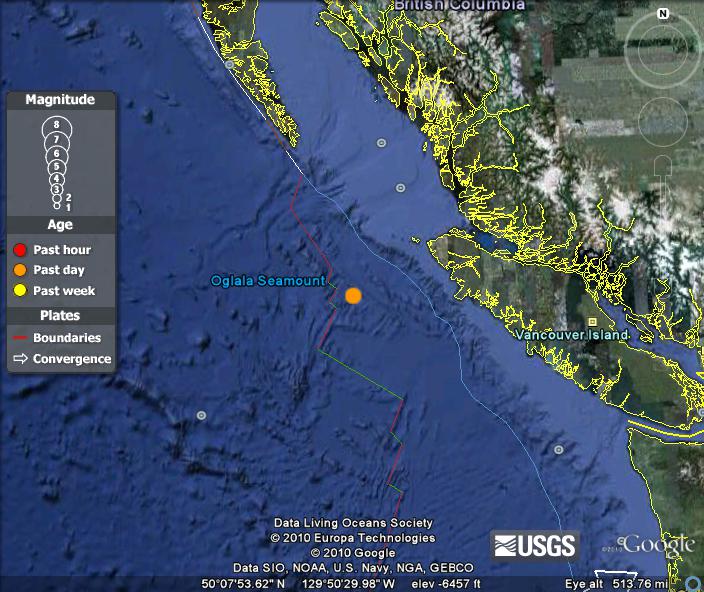 |
Magnitude: 4.5 Location: Offshore Guatemala Date: 7/25/10 Time:8:18:38 pm Depth: 41.5 miles Divergent New crust is created as one or more plates pull away from each other. | 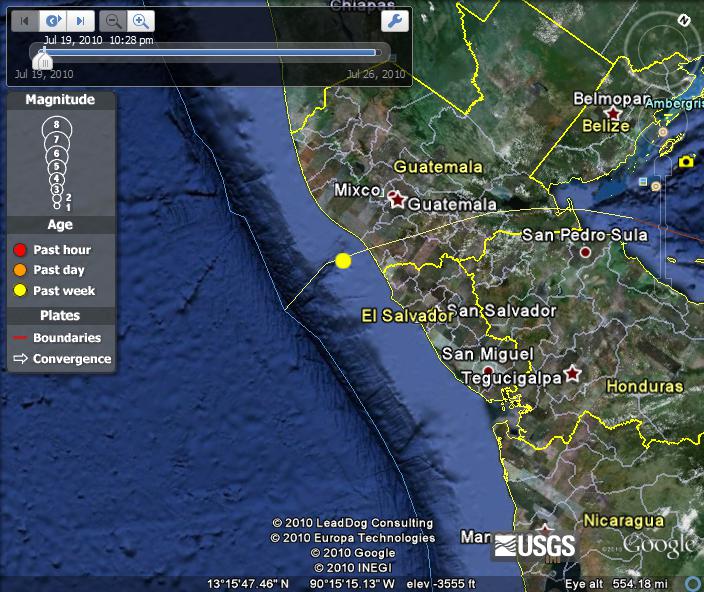 |
Magnitude: 4.9 Location: Samar, Philippines Date: 7/21/10 Time:5:50:33am Depth: 47.1 miles Oceanic-oceanic When two oceanic plates converge one is usually subducted under the other and in the process a deep oceanic trench is formed. | 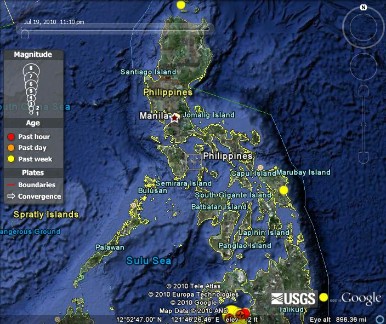 |
Magnitude: 4.8 Location: Northeastern Iran Date: 7/23/10 Time:4:26:44am Depth: 13.36 miles Continental-continental When two continents meet head-on, neither is subducted because the continental rocks are relatively light and, like two colliding icebergs, resist downward motion. | 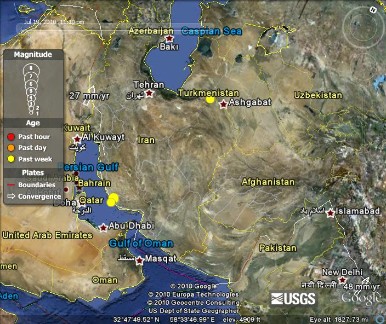 |
Magnitude: 5.0 Location: Bio-Bio, Chile Date: 7/20/10 Time:6:49:05 pm Depth: 15.6 miles Oceanic-continental When an oceanic plate pushes into and subducts under a continental plate, the overriding continental plate is lifted up and a mountain range is created. | 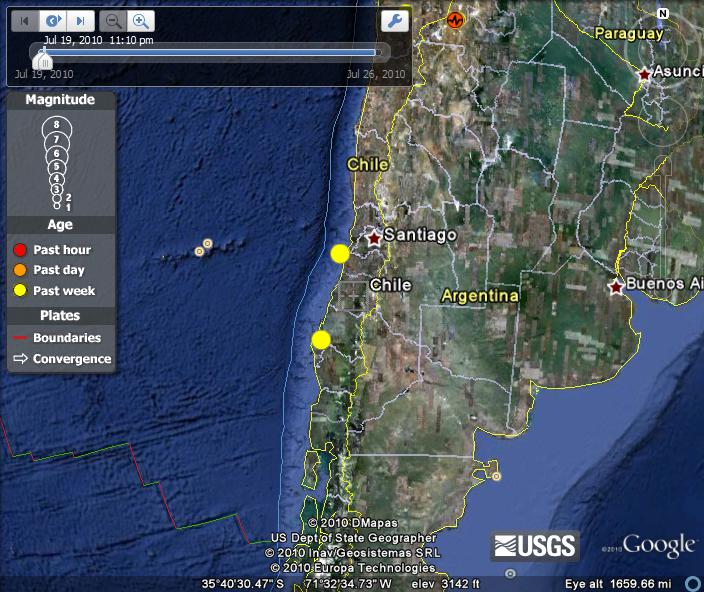 |
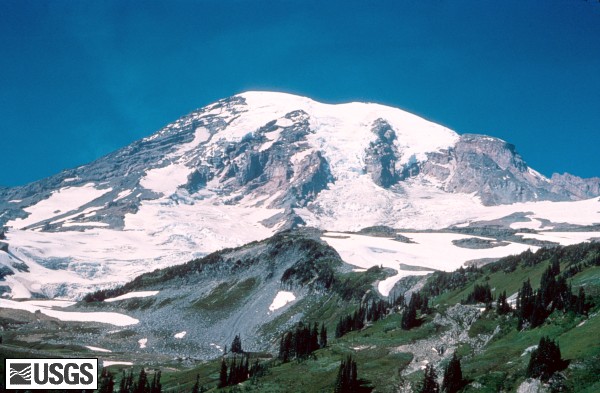
Mt Rainier Composite Volcano Oceanic-continental
|  |
Mauna Kea Shield Valcano Hot Spot | 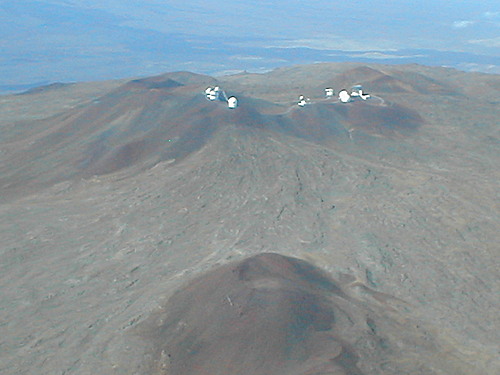 |
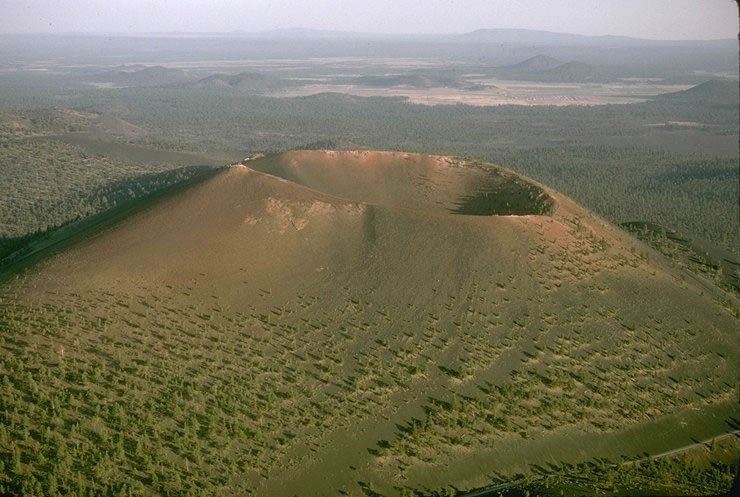
Sunset Crater Arizona Cinder Volcano Divergent
|  |
Crater Lake Oregon Caldera Volcano Subduction zone | 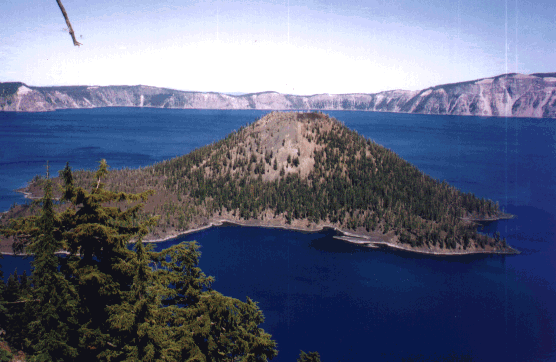 |
Reflection
-
Describe the correlation between earthquakes and volcanoes in terms of the Theory of Plate Tectonics. Analyze the spatial relationship and distribution that exists with these forces of nature.
Our planet is a living entity in the fact that it has active volcanoes and tectonic plates. Volcanoes in order to stay active need a source of internal heat, when that heat escapes it fuels plate tectonics. Most scientists believe it is the internal heat that is the driving force behind plate tectonics. It is the slow hot movement of mantle that lies beneath the rigid plates that makes us different from other planets in our solar system. Scientists believe it is the hot magma which escapes through valcanoes into the spreading ridge that provides a force that allows plate movement to occur. Deep within our earth the mantle is partially molten and can flow. Scientists speculate that at some point our earth will gradually lose all it's hea,t volcanic activity will end and so will plate tectonic movement. At that point will our earth still be inhabitable? no one knows but one thing is for sure these changes are billions of years away.
- Describe what you learned about earthquakes and volcanoes that you did not know before this course.
I have learned so much this semester about earthquakes and volcanoes. I am sure I learned all this in high school but with time I have forgotten how interesting and fun it is to learn about the natural processes of earth. I know now that earthquakes do not strike randomly but occur in specific areas such as along plate boundaries. One particular area I was facinated with was the "Ring of Fire" this is where plates meet many surrounding plates which makes it the most active zone in the world for earthquakes and volcanoes. I also learned that through plate movements and other geologic processes nature has created some of the most beautiful and magnificent scenery in the world. I also know earthquakes related to plate tectonics have caused terrible catastrophes that have killed thousands of people and destroyed many homes and property. Our society has learned there are long term benefits of plate tectonics but we also need to cope with the short term adverse affects such as volcanic eruptions and earthquakes.

